
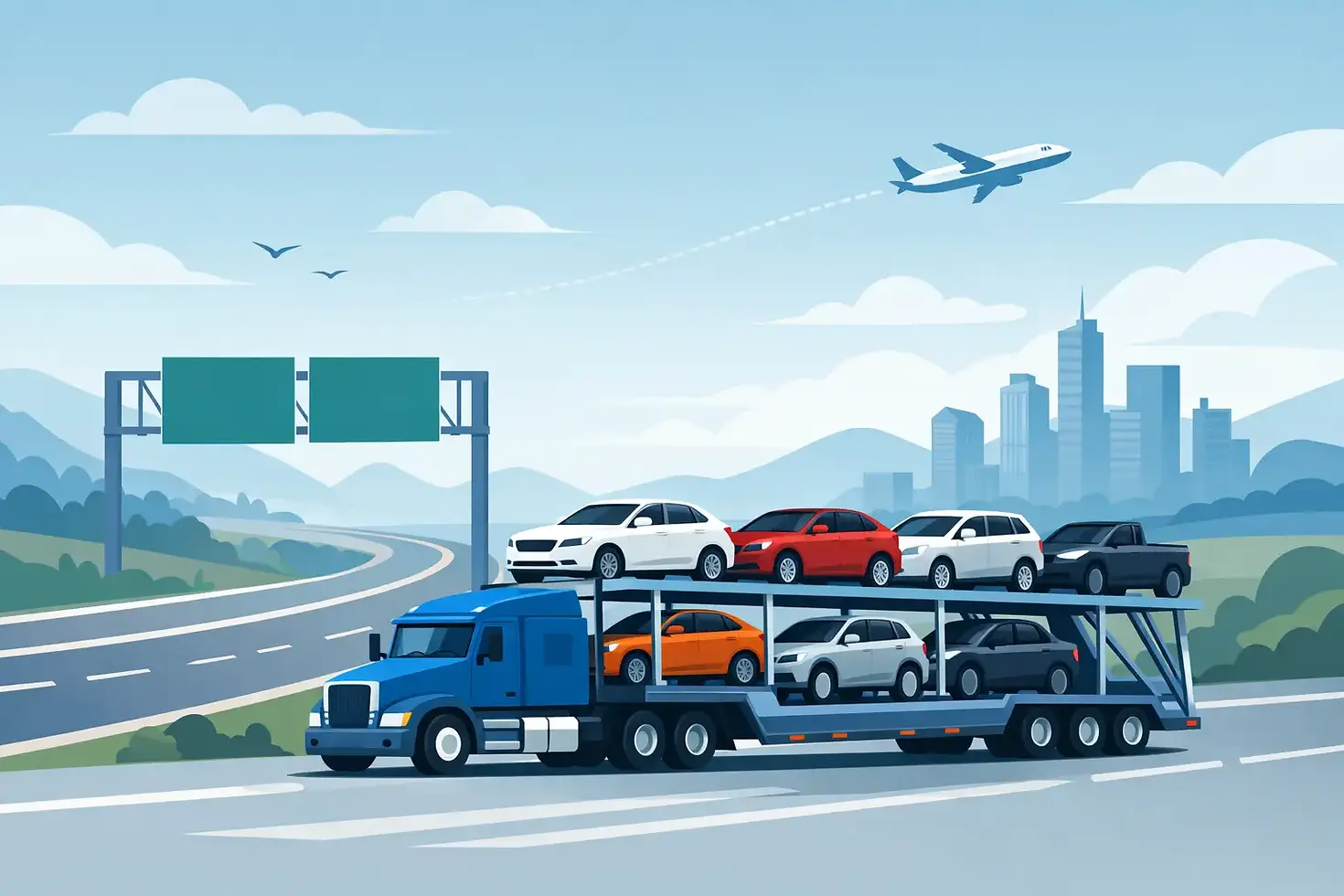
Interstate Vehicle Transport Done Right
A car booked for Brisbane is one thing. A broken-down ute that needs to get from regional Queensland to another state, on a deadline, is another. That is where interstate vehicle transport stops being a simple booking and becomes a job that needs the right equipment, clear planning and a team that can move fast when required.
For private owners, the usual concern is simple: will the vehicle arrive safely and on time? For businesses, there is more on the line. Downtime, site schedules, customer commitments and access requirements all matter. Whether you are moving a sedan, a 4WD, a work ute or a specialised vehicle, the job needs to be handled properly from pick-up through to delivery.
What interstate vehicle transport actually involves
Interstate vehicle transport is the movement of vehicles across state borders using towing, tilt tray, carrier or heavy haulage equipment, depending on the load. That sounds straightforward, but the right method depends on the vehicle type, its condition, its size and where it is being collected from.
A running passenger vehicle with easy access is a different task from recovering a non-drivable 4WD from a rural property. The same goes for machinery on tyres, site vehicles or commercial assets that need permits, loading plans or specific delivery windows. The transport itself is only one part of the job. Safe loading, route planning, timing, compliance and unloading all count.
This is why a one-size-fits-all quote can be misleading. The cheaper option is not always the right one if it does not match the load or the access conditions.
When you might need interstate vehicle transport
Some jobs are planned weeks ahead. Others happen after hours with no warning. Both are common.
Private customers often book transport when relocating, buying a vehicle from another state, sending a car to family, or moving a non-registered vehicle that cannot be driven legally. Businesses tend to need it for fleet movements, workshop transfers, auction purchases, site shutdowns or project work that shifts equipment across borders.
Then there are urgent jobs. Breakdowns far from home, accident recovery, or a work vehicle stranded outside your normal service area can all require immediate action. In those cases, 24/7 response matters. Waiting until business hours is not always an option.
Choosing the right transport method
Not every vehicle should be moved the same way. The right setup protects the vehicle and helps keep the schedule on track.
Cars, SUVs and everyday vehicles
For standard vehicles, a tilt tray or car carrier is often the most practical option. It allows secure loading and stable transport, especially when the vehicle is not drivable. Clearance matters here. Lowered cars, damaged suspension or accident vehicles may need extra care during loading to avoid further damage.
Utes, 4WDs and commercial vehicles
These loads can be straightforward, but weight, wheelbase and tray setup can change the handling requirements. A work ute carrying tools or equipment may also need the load checked and secured before transport starts. If the vehicle has broken down in a remote area, recovery can be the harder part of the job.
Machinery and oversized loads
Once you move beyond standard vehicles, planning becomes more technical. Machinery, site vehicles and oversized assets may require a prime mover, specialist trailer arrangements, permit checks and route coordination. This is not just about moving weight. It is about moving it safely, legally and efficiently.
What affects cost and timing
Distance matters, but it is not the only factor. Two interstate jobs covering a similar number of kilometres can have very different pricing and delivery windows.
Vehicle size and condition are major factors. A drivable sedan is simpler than a damaged ute with steering issues. Pick-up and drop-off access also matter. Metro depot access is easier than a rural property with soft ground, narrow entry points or limited turning room.
Timing can affect cost as well. A planned job with flexible dates gives more room to schedule efficiently. Urgent transport, after-hours recovery or time-critical delivery will usually involve more resources. The route itself can also change things. Weather, road conditions, permit requirements and regional access can all affect timing.
The practical approach is to ask for a quote based on the actual job, not just the postcode. Good operators will want clear details because that is how the transport is scoped properly.
How to prepare a vehicle for interstate transport
Preparation does not need to be complicated, but it should be done properly. A few basic checks help avoid delays at pick-up and issues on arrival.
Make sure the vehicle is accessible and that you can provide accurate collection details. If it is non-drivable, say so upfront. If the brakes are seized, the steering is damaged, the tyres are flat or the keys are missing, the operator needs to know before dispatch. Surprises on site waste time and can require a different truck.
Remove loose personal items from the cabin where possible. Check for low-hanging accessories, body damage or anything that should be noted before loading. For commercial vehicles, confirm whether tools, stock or mounted equipment will stay with the vehicle. Extra weight and unsecured contents can change how the job is handled.
If you are sending a vehicle on behalf of a business, make sure the receiving contact, delivery hours and site access instructions are confirmed early. Simple details prevent expensive delays.
Why experience matters in interstate vehicle transport
There is a big difference between booking transport and managing transport. The first is easy. The second is what gets the vehicle there without drama.
Experienced operators know how to assess access, choose the right equipment and deal with the problems that often appear mid-job. A vehicle might be lower than described. The pick-up location might be tighter than expected. A delivery site might have unloading restrictions. On long-distance work, those details matter.
This is especially true when the job involves more than one requirement, such as breakdown recovery followed by interstate delivery, or light vehicle towing backed by heavy transport capability for related equipment. Working with one provider that can handle both reduces handovers and keeps communication clear.
That is where a fleet makes a difference. With tow trucks and prime movers available, operators like Elite 24hr Towing can cover urgent recovery as well as planned long-haul transport, without treating every job like a standard local tow.
Questions worth asking before you book
A reliable transport operator should be able to answer direct questions with direct answers. Ask what equipment will be used, how the vehicle will be loaded, what the expected timeframe is and whether the quote includes pick-up and delivery conditions as discussed.
You should also ask what happens if the vehicle is non-drivable, whether regional or after-hours collection changes the job, and if there are any access issues that need to be addressed before the truck arrives. For business customers, it is worth confirming invoicing, booking contacts and whether multiple assets can be moved under one job plan.
If the answers are vague, that usually tells you something. Clear communication before the job often reflects how the job will be handled on the road.
Interstate vehicle transport for urgent and planned jobs
Some customers have time to compare dates and arrange delivery windows. Others need action straight away. A transport provider should be able to handle both.
Planned work benefits from early scheduling, especially for long-distance routes, commercial assets and machinery. It gives more options around timing and equipment allocation. Urgent jobs need responsiveness, clear dispatch and the right truck from the start. If a vehicle is stranded, damaged or blocking access, there is no value in a slow process.
That is why around-the-clock availability matters in this industry. Problems do not wait for office hours, and neither do many transport deadlines.
The best interstate vehicle transport is not just about getting from one state to another. It is about turning up prepared, loading safely, keeping the job moving and delivering without excuses. If you are moving a car, ute or heavier asset, the smart move is to book with an operator that treats the job like transport work, not just another pick-up. When timing, safety and reliability matter, capability counts.


Comments