
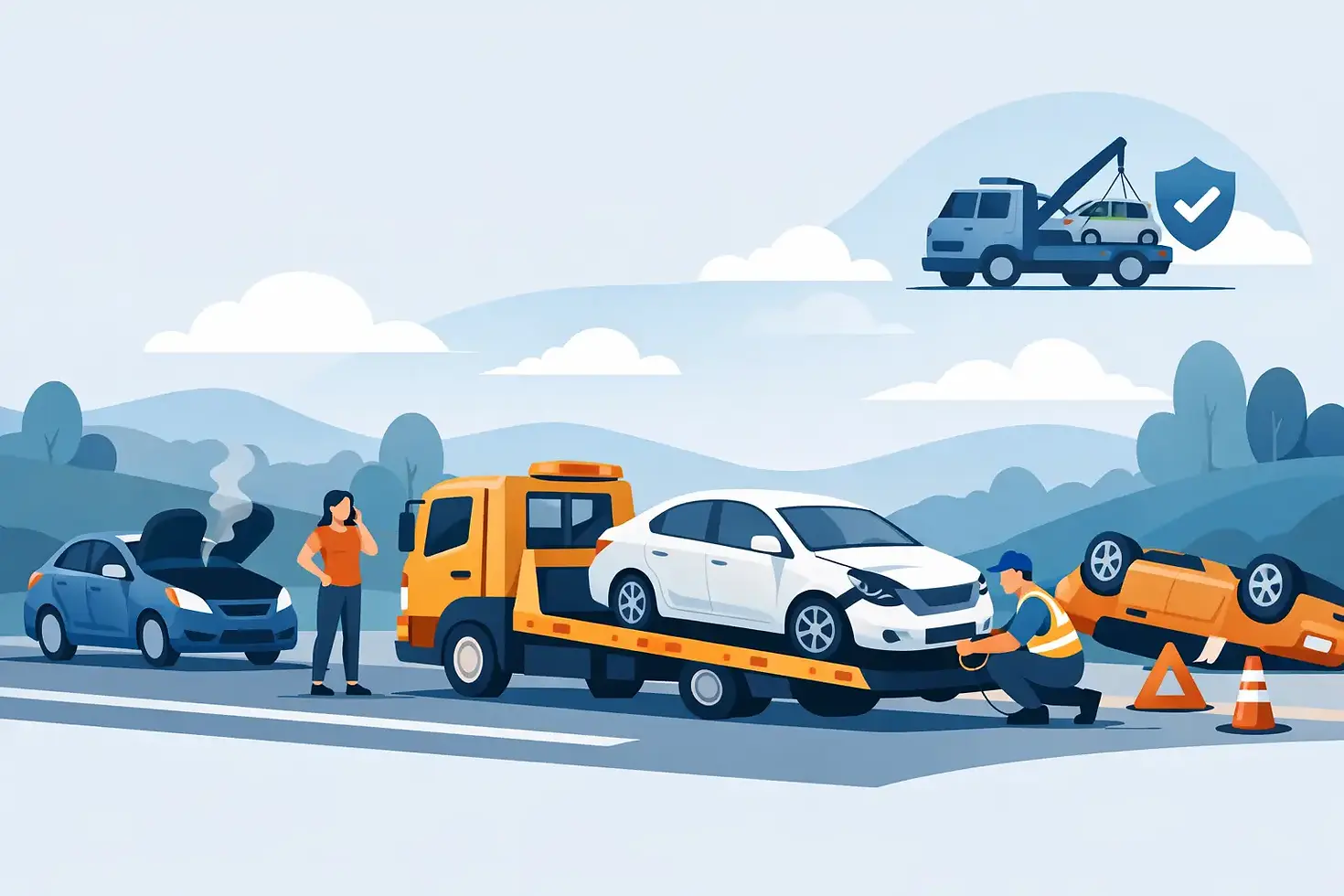
Breakdown and Accident Recovery Done Right
A breakdown on the Bruce at night is one problem. A damaged vehicle blocking traffic after a crash is another. In both cases, breakdown and accident recovery comes down to the same basics - quick response, safe handling and the right equipment on site from the start.
When people call for help, they are usually dealing with stress, lost time and a vehicle that is no longer safe to drive. For businesses, the pressure is even higher. A downed ute, van, truck or machine can hold up staff, deliveries and scheduled jobs. That is why recovery work is not just about getting something from A to B. It is about securing the scene, protecting the vehicle where possible, and moving it efficiently so the road can clear and the next step can happen.
What breakdown and accident recovery actually involves
A lot of people hear the word towing and think of a simple hook-up and transport job. Sometimes it is that straightforward. A flat battery, mechanical failure or overheating vehicle may only need a standard tow from the roadside to a workshop, depot or home.
Accident recovery is often more involved. A vehicle may be disabled in traffic, off the road, stuck in a drain, hard against a barrier or carrying damage that changes how it can be loaded. Fluids may be leaking. Steering or suspension may be compromised. The vehicle may need to be winched, lifted carefully or repositioned before it can be moved.
That difference matters because the wrong approach can make the job slower, less safe and more expensive. Proper recovery is about method as much as muscle. Operators need to assess the position of the vehicle, the traffic environment, access points, vehicle condition and the safest loading angle before anything moves.
Why fast response matters in accident recovery
Time matters in every roadside job, but not for the same reason every time. With a breakdown, the main issue is usually getting the driver and passengers out of an unsafe spot and getting the vehicle off the road before conditions worsen. Heat, fatigue, weather and traffic all make a bad situation harder.
With accident recovery, there is an added need to reduce risk at the scene. A damaged car left in a live lane or on a narrow shoulder creates a hazard for everyone coming through. On regional roads and highways, high speeds make that risk worse. In town, congestion builds quickly and can affect emergency access, business traffic and general road flow.
Quick attendance is important, but speed on its own is not enough. A rushed operator without the right truck can waste more time than a measured response with the right setup. Good recovery work means arriving ready, not just arriving fast.
The equipment behind reliable breakdown and accident recovery
The quality of a recovery service often comes down to fleet capability. A small passenger vehicle stranded in a car park has different handling requirements to a loaded work ute on a shoulder, and both are very different again from commercial vehicles, site equipment or freight assets that need specialist transport after an incident.
That is where experience and fleet range make a real difference. A provider handling both emergency roadside jobs and planned heavy transport is generally better placed to deal with unusual loads, awkward access and larger recovery requirements. If the same operator can tow a family car, move a damaged trade vehicle, relocate machinery and organise container or freight transport, the customer is not left trying to coordinate multiple providers under pressure.
There is also a safety benefit. Properly maintained tow trucks, winching gear and heavy transport equipment reduce the chance of handling mistakes. Recovery is one of those jobs where shortcuts show up quickly. Incorrect tie-downs, poor load balance or the wrong loading method can turn one problem into two.
What drivers should do while waiting for recovery
The first priority is safety. If the vehicle can be moved safely out of traffic, do that. If it cannot, stay clear of moving vehicles and follow the advice of emergency services if they are on scene. Turn on hazard lights if possible and keep yourself visible, especially after dark or in poor weather.
Then focus on clear information. When booking a tow or recovery, the more accurate the details, the better the response. Location matters, but so does direction of travel, nearby landmarks, lane position and whether the vehicle is on the road, in a ditch, in a paddock or in a tight access area. It also helps to describe the vehicle condition. If a wheel is broken, the steering is locked, airbags have deployed or the vehicle will not roll, say so early.
That information helps the operator decide what truck to send and what gear to bring. It can save time and avoid the frustration of a second attendance.
Breakdown recovery for work vehicles and commercial fleets
For trades, transport operators and regional businesses, a breakdown is rarely just a transport issue. It can affect bookings, site access, staff movement and customer commitments. A vehicle off the road may also carry tools, stock or equipment that need secure handling during recovery.
Commercial jobs often need more than a basic tow. The destination may be a workshop, depot, job site or storage yard. Access hours may matter. The load may need to stay with the vehicle, or it may need separate transport. In some cases, the immediate job is roadside recovery, but the real requirement is continuity - getting the vehicle removed, the site cleared and the asset repositioned with minimal delay.
This is where a no-fuss operator is valuable. Businesses do not want long explanations or uncertainty. They want to know the provider can attend, recover safely and move the vehicle or asset where it needs to go.
When heavy recovery capability makes the difference
Not every breakdown involves a standard vehicle. Queensland roads see plenty of utes towing trailers, machinery moving between sites, containers being shifted and commercial freight travelling long distances. When one of those jobs goes wrong, the response needs to match the load.
A provider with both tow trucks and prime movers can cover more ground in these situations. That capability matters when the job involves oversized items, damaged plant, transport equipment or freight that still needs to be moved after the initial incident. It is also useful when a roadside problem becomes a larger logistics issue.
There is no one-size-fits-all recovery method. A light vehicle crash in suburban traffic and a machinery transport issue on a regional route require different planning, different equipment and different risk controls. The common factor is readiness. The operator needs to be able to assess quickly and act without guesswork.
Choosing the right breakdown and accident recovery service
If you only need a tow once every few years, it is easy to assume all providers offer the same thing. They do not. Availability, fleet size, service area and load capability vary a lot.
For private drivers, the essentials are straightforward - 24/7 response, clear communication, professional handling and a service area that actually covers where you travel. For businesses, it usually goes further. You may need one operator who can manage urgent towing, planned vehicle transport, machinery moves and general freight as jobs change.
It also helps to choose a provider that works across local, regional and interstate routes. A vehicle breakdown does not always happen close to home, and commercial transport jobs do not stop at town limits. One capable operator is easier to deal with than piecing together separate services for each stage.
In North Queensland, that practical approach matters. Distances are longer, conditions can change quickly and after-hours options are not always equal. Elite 24hr Towing is built around that reality - ready for urgent roadside jobs and equipped for larger transport tasks when the work goes beyond a standard tow.
The best recovery service is not the one with the loudest promise. It is the one that turns up prepared, handles the job safely and gets you moving again with as little disruption as possible. When your vehicle, machinery or freight is off the road, that is what counts.


Comments